1 November 2026 · 3 min read
Nasser Saidi: putting the Gulf economic outlook into perspective
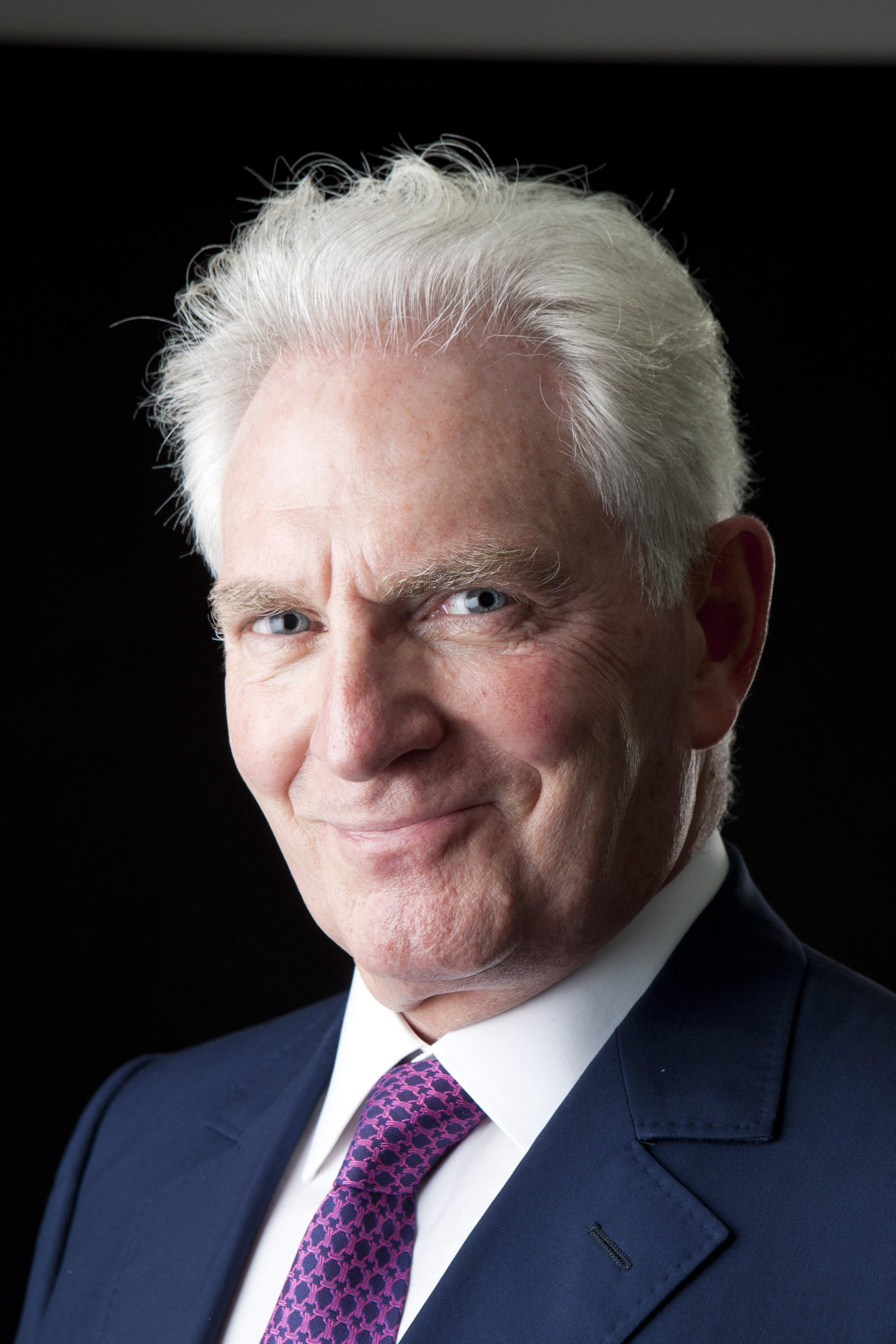
For a leadership team in the Gulf, an economic outlook is useful only if it helps frame decisions. Growth, policy shifts, energy markets and geopolitical risk do not arrive as separate problems. Dr Nasser Saidi's career brings these subjects together: he has worked across government, central banking, financial institutions and regional policy advice.
A career at the intersection of policy and business
Saidi is the founder and President of Nasser Saidi & Associates. His previous positions include Lebanon's Minister of Economy and Trade and Minister of Industry, First Vice-Governor of its central bank, and Chief Economist and Head of External Relations at the Dubai International Financial Centre. These are different vantage points on the same question: how do institutions and policy choices shape economic opportunity?
His profile also records work with the UN, IMF, World Bank, OECD and GCC governments. For an audience of executives or investors, that background offers a starting point for discussing the links between public policy, financial systems and commercial strategy, rather than treating economic indicators in isolation.
Why the regional context matters
Saidi's Gulf connections are concrete. His biography lists appearances at Abu Dhabi Finance Week in 2024 and a Kamco Invest conference in Kuwait in 2025, alongside regional and international media commentary. That experience matters when the audience needs a conversation grounded in the region rather than a global forecast with a few local references added.
Energy transition is an economic question too
As founder and Chairman of the Clean Energy Business Council in MENA, Saidi also addresses climate finance and energy transitions. These themes connect naturally to investment, infrastructure and governance. A conference can use that intersection to ask how long-term development priorities relate to decisions businesses are making now.
Questions to bring into the event brief
An organiser might frame the discussion around three questions: which macroeconomic risks deserve the leadership team's attention; how geopolitical change affects its planning assumptions; and where energy transition creates new financial and governance challenges. These are suggested discussion angles, not promises of a fixed speech or forecast.
For a finance forum, executive meeting or policy-focused conference in Dubai, Abu Dhabi or elsewhere in the GCC, the next step is a specific brief: audience, sector, event objective and the decisions participants are considering. UnoMe can discuss that brief and check Nasser Saidi's availability.